Milwaukee Health Services, Inc. Celebrates 35 Years

Milwaukee Health Services, Inc. Celebrates 35 Years

Milwaukee Health Services, Inc. Celebrates 35 Years

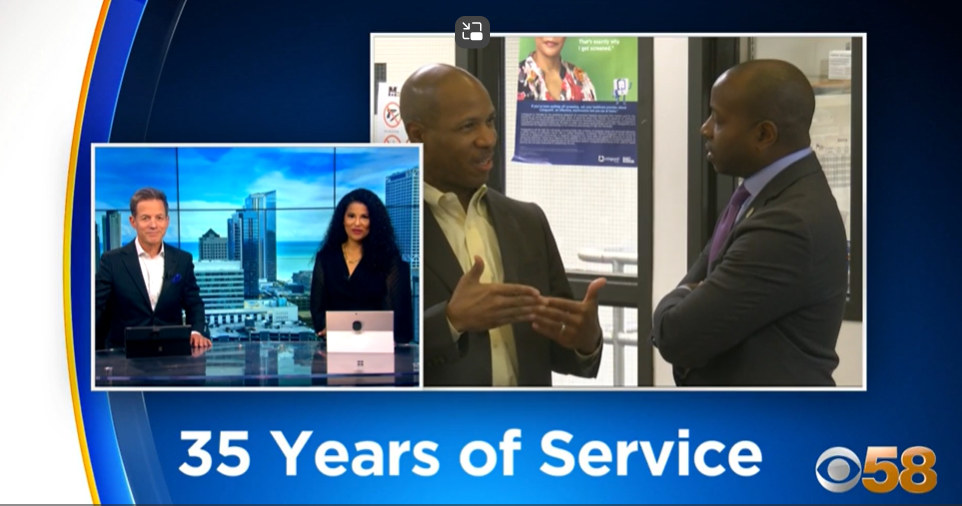
Milwaukee Health Services, Inc. celebrated 35 years of providing health care in the city. To commemorate the anniversary, the city and county of Milwaukee honored MHSI’s contributions with official proclamations, highlighting their commitment to advancing health equity and improving public health.

“The fact is MHSI is a true reflection of the people who we serve,” said Dr. Tito Izard, president and CEO of Milwaukee Health Services, Inc. “Not many orgs can say that. That’s one that drew me here. We had such dedication to the community to support this.”

MHSI’s services range from family medicine, women’s health, behavior health and much more, coming from 33 different providers between the MLK Heritage Health Center and the Isaac Coggs Heritage Health Center. 
Community Health Center CEOs Tackle Challenges

Community Health Center CEOs Tackle Challenges

Community Health Center CEOs Tackle Challenges

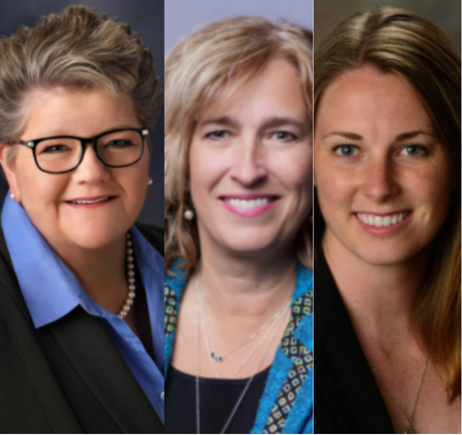
Community health center CEOs discussed how they’re tackling challenges tied to health inequities and more during a roundtable last week in Madison hosted by Wisconsin Health News. From rising behavioral health demands to persistent health inequities to the workforce crisis, community health centers are on the front lines of the state’s most pressing health issues.

Panelists at the event were Kim Hawthorne, CEO, Scenic Bluffs Community Health Centers; Dr. Julie Schuller, CEO, Sixteenth Street Community Health Centers; and Olivia Nichols, CEO, Rock River Community Clinic.

Everyday Hero: Team Helps Keep Native Wellness Garden Thriving for 10 Years

Everyday Hero: Team Helps Keep Native Wellness Garden Thriving for 10 Years

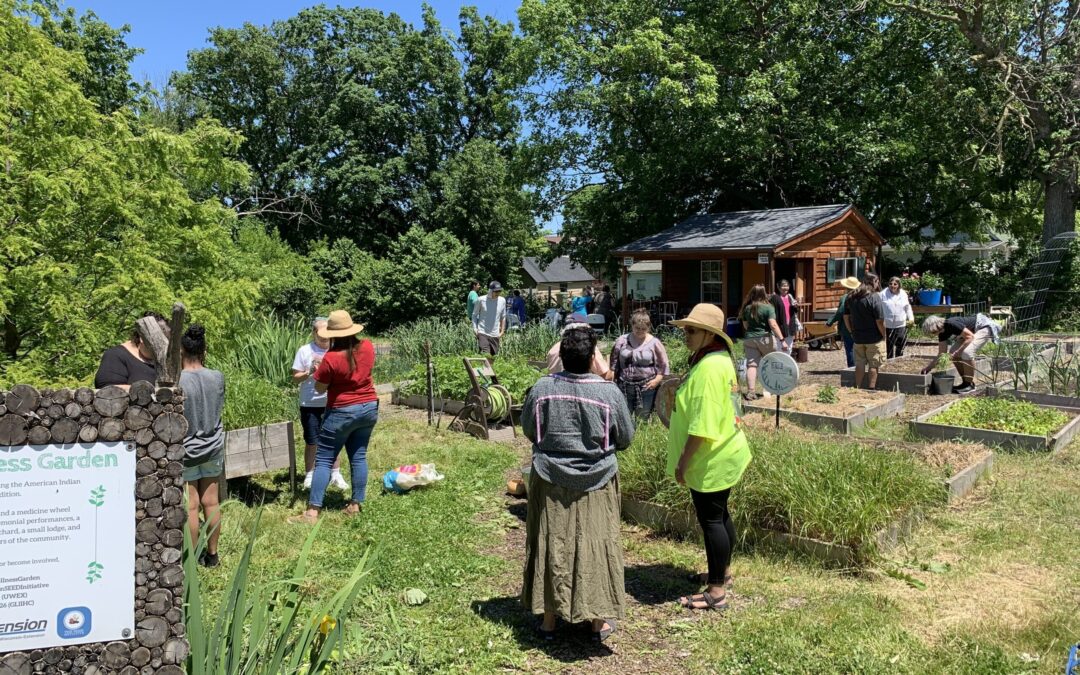
This year, the Native Wellness Garden is celebrating its 10th anniversary of keeping tradition and culture alive. It’s located at 3780 S 6th Street on Milwaukee’s South Side. The garden is an extension of the Gerald L. Ignace Indian Health Center, which provides comprehensive and culturally sensitive health care for Native American children and adults living in the Milwaukee area.

Lisa Albrecht works as a health promotion and disease prevention leader at the center. She also volunteers in the garden and has seen it grow since day one. She said it’s been such a blessing for the community they serve.

The Time for Help is Now: Mental Health & Substance Use Disorder Treatment to Expand in Wisconsin

A new round of grants to Wisconsin from the Health Resources and Services Administration, totaling almost $4.7 million, will expand mental health services at eight community health centers across the state in 2025 — one of which is the Progressive Community Health Centers, Inc. in Milwaukee.

The vast majority of people in the US with a substance use disorder are not receiving treatment. One in five youth had at least one serious depressive episode in the last year and about 10 percent of adults still have private insurance that does not cover mental health, according to a study by Mental Health America (MHA). It may be safe to say the way mental health and substance use disorders are addressed could be improved. There are eight different centers receiving funds in Wisconsin. Milwaukee has one of those centers with grants totaling about $493,600.

According to a release by the HRSA, the funds are primarily meant to provide services for those who are uninsured, underinsured or enrolled in Medicaid. It will also help expand access to care and support combating the US opioid crisis.

Fentanyl’s Impact on Native American Communities and Paths to Recovery

Fentanyl’s Impact on Native American Communities and Paths to Recovery

Vanda Felbab-Brown speaks about the particularly devastating impact of the fentanyl epidemic on American Indian and Alaska Native communities. In the United States, Native communities experience the highest drug overdose mortality rates among racial groups, with fatalities far surpassing national averages. But the sheer numbers do not capture the totality of the devastation, such as the cultural losses and community grief. Yet federal and state responses to the fentanyl crisis among Native communities have been profoundly inadequate.