Implementing medications for opioid use disorder (moud)
at Wisconsin community health centersSo many people who are seeking care for opioid use disorder have had a feeling of being disrespected in many settings, including medical settings…It’s important to create a safe environment for them to talk to their providers.
Community health center moud implementation
The Wisconsin Community Health Centers MOUD Learning Collaborative marks a significant step towards building a statewide network of CHCs equipped to deliver low-barrier, person-centered OUD treatment.
Moud learning collaborative
In response to Wisconsin’s ongoing opioid overdose crisis, the Wisconsin Primary Health Care Association (WPHCA), the member association of Wisconsin’s 19 Community Health Centers (CHCs), convened a Medications
for Opioid Use Disorder (MOUD) Learning Collaborative in 2025 to support CHCs in implementing low-barrier MOUD services. This initiative builds on a decade of state and federal investment in opioid use disorder (OUD) treatment infrastructure and reflects a growing commitment to integrating behavioral health and primary care services.
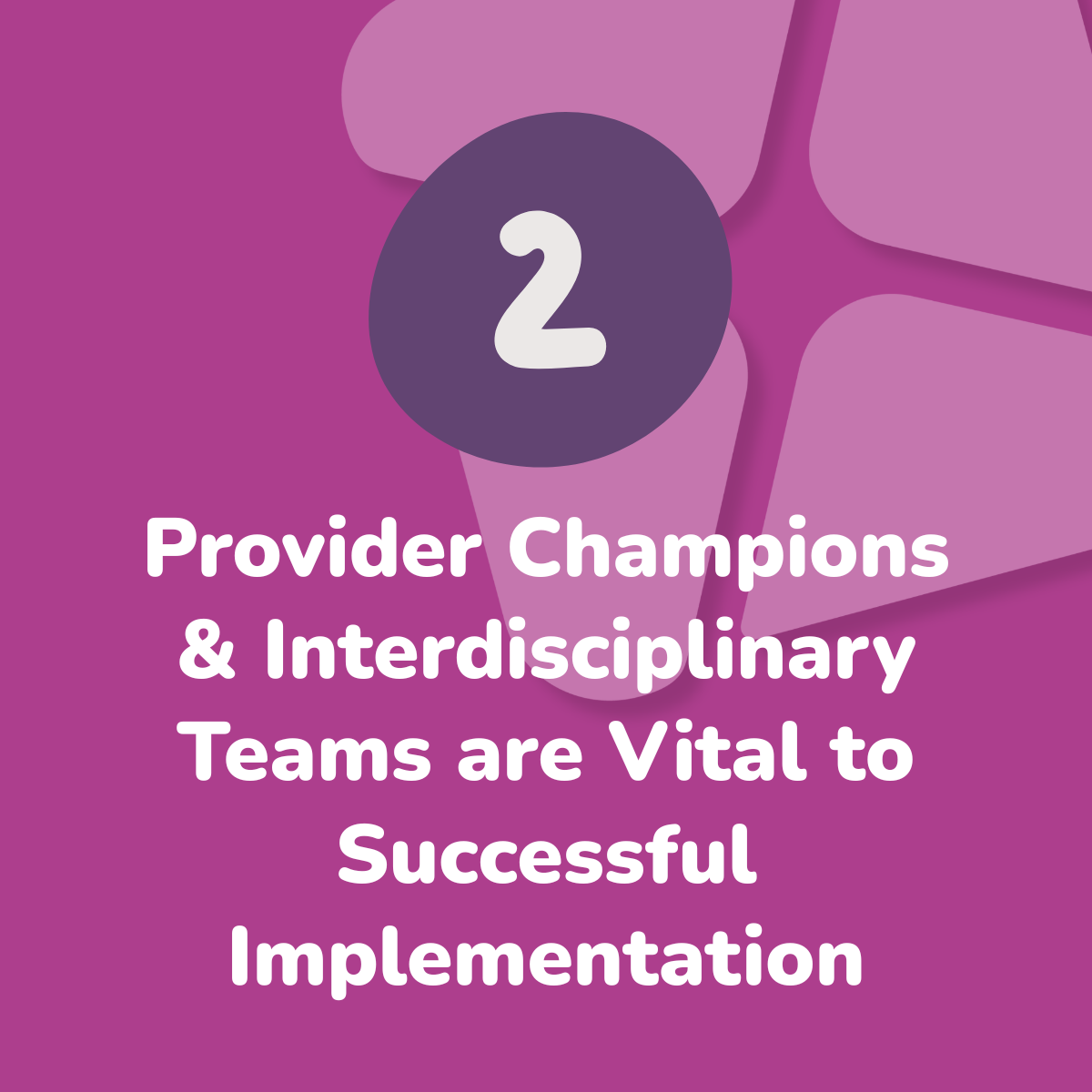
Seven Community Health Centers participated in the Learning Collaborative from December 2024 through September 2025. CHCs received technical assistance, training, and support through expert-led learning sessions to launch or expand MOUD services. These CHCs serve communities across urban and rural Wisconsin and represent a critical access point for individuals seeking treatment for OUD.
Key FIndings
Policy Recommendations
Invest in behavioral health & addiction treatment workforce
Investments in training consortia, regional education models, expanding loan assistance programs, and addressing licensure portability requirements are steps that would boost the health care workforce.
Improve operational policies
State agencies can review and revise policies that impede continuity of care, remove psychotherapy carve-outs in Comprehensive Community Services (CCS), and support pre-release coverage for incarcerated individuals that would ensure patients receive coordinated care.
Fund education and outreach to reduce stigma
Increasing public awareness and reducing stigma would help promote the availability of affordable, high-quality MOUD services.
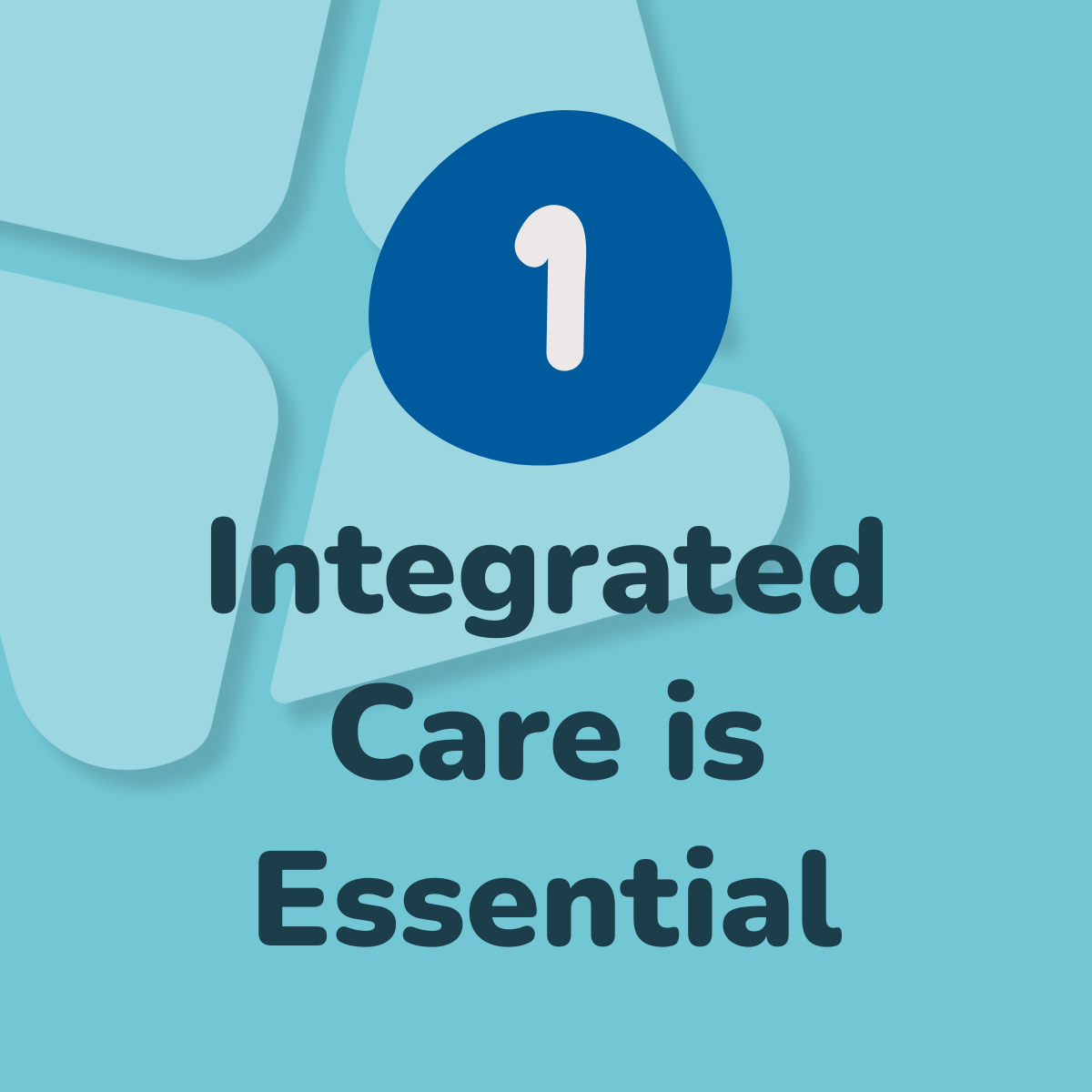
We’re not only sharing the patient, the client, we are sharing all of our resources together. If we want this person to have a chance to build a life that is worth sustaining, is worth working for, we need everything in place. So, we need all the players.
The benefit to patients for having an integrated care team is they start to feel like there’s a team supporting them. These individuals have often been so isolated and have been disrespected. When they see that there’s a team that’s working together for their best interests, it’s just amazing to get to watch. Because basically I’m watching little miracles, people coming back to life, and integrated care is a very key piece for that.
Publications and videos were supported by The Pew Charitable Trusts with funds provided by Bloomberg Philanthropies (www.bloomberg.org). Its contents are solely the responsibility of the authors and do not necessarily represent the official views of Bloomberg Philanthropies or the PEW Charitiable Trusts.
Explore wphca's issue briefs
Learn more about Wisconsin Community Health Centers